
How to Vet a Private Guide: The Complete Traveler’s Guide
How to interview, verify, and safely book an independent local guide for your next trip — all 19 essential checks, explained.



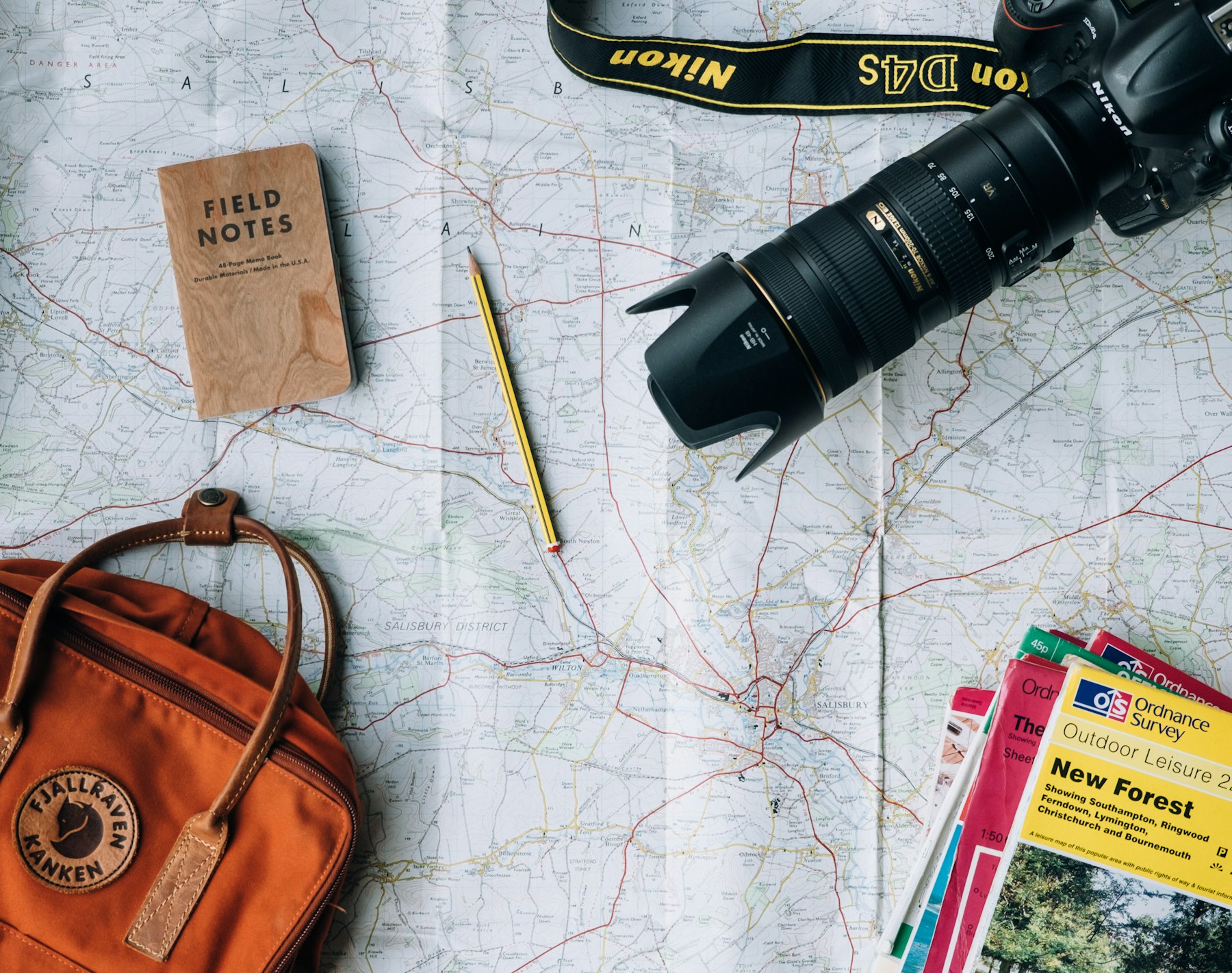
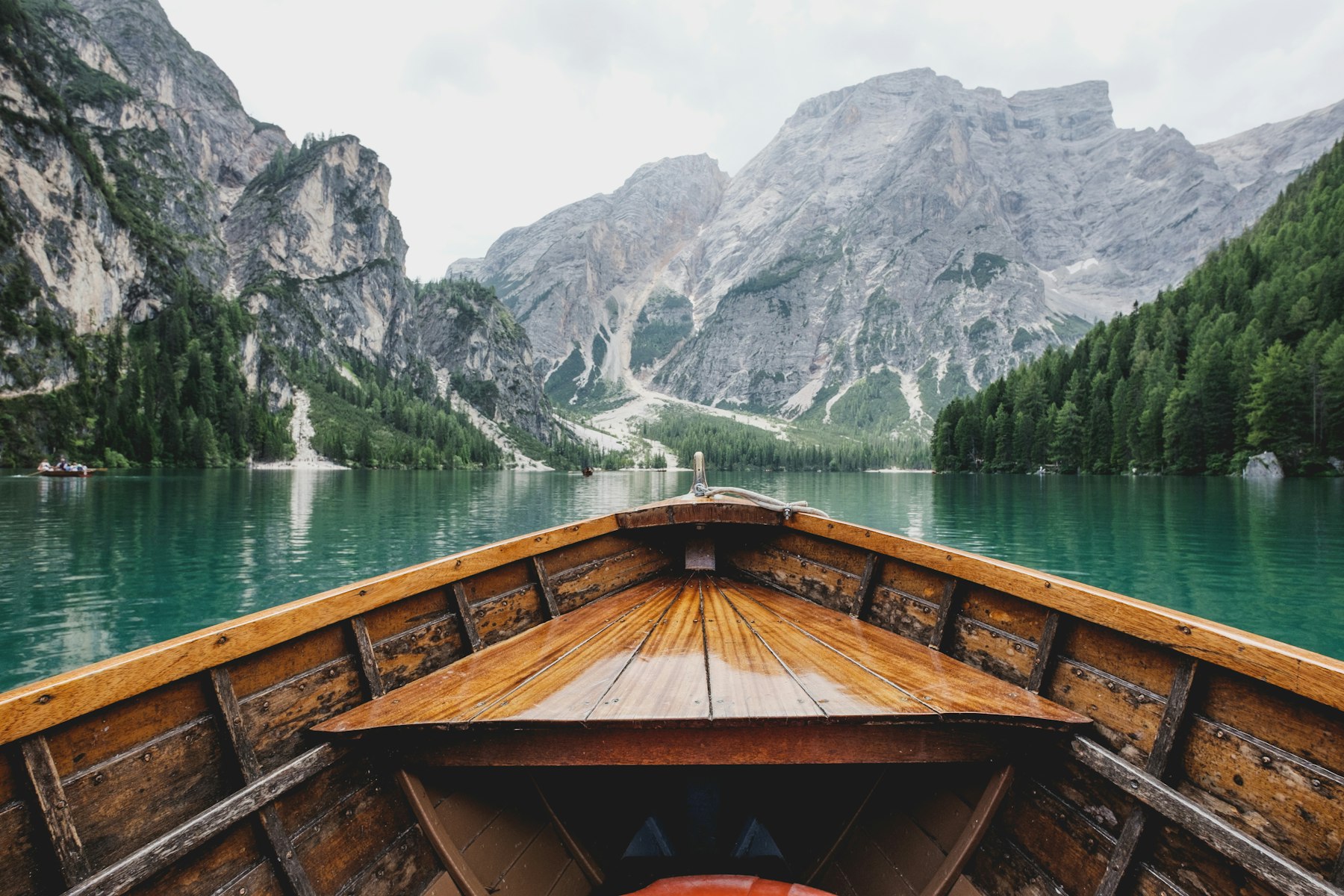
Traveling with a private local guide can completely change the way you experience a destination. Instead of following a large group from one attraction to another, you can ask questions, explore places that interest you, discover local restaurants and neighborhoods, and learn about the destination from someone who actually knows it.
But there is one important question:
How do you know whether a private guide is actually good, trustworthy, and worth paying for?
A friendly profile picture and a few positive reviews aren’t always enough. Independent guides come with different levels of experience, knowledge, professionalism, communication skills, and reliability. Some are passionate locals who can give you an unforgettable experience. Others may simply know how to market themselves online.
That doesn’t mean you need to become a professional investigator before booking a tour. You simply need to know what to check, what questions to ask, what warning signs to recognize, and what information to confirm before you pay. This guide will walk you through all 19 essential checks.
What Makes a Good Private Guide?
Before discussing how to vet a guide, it helps to understand what you’re actually looking for. A good private guide isn’t necessarily someone with the most qualifications or the longest list of reviews. The best guide for you depends on the type of experience you want.
For example, a traveler interested in ancient Roman history may need a completely different guide from someone looking for local food, photography locations, nightlife, hiking, or family-friendly activities.
Essential Traits of a Professional Guide
- Strong knowledge of the destination and its history, culture, and customs.
- Good communication skills — in a language you are comfortable with.
- Relevant experience that matches the type of tour you are looking for.
- Reliable availability with confirmed bookings and prompt communication.
- Clear, honest pricing with a full breakdown of inclusions and exclusions.
- Good reviews from previous travelers — recent, detailed, and consistent.
- A professional attitude and the ability to adapt the experience to your interests.
- Appropriate licenses or permits where legally required by local regulations.
- A clear cancellation and payment policy communicated before you pay.
But there is one characteristic that is often overlooked:
A good guide should listen. If a guide spends the entire conversation telling you what they want to show you — without asking what you’re interested in — that is a warning sign. A private tour should feel personal.
1. Start With the Guide’s Profile
The first step is simple: read the guide’s profile carefully. Don’t just look at the photographs and the rating. Look for evidence that the person actually understands the experience they’re offering.
Check Their Description
A strong guide profile should tell you:
What a Strong Profile Covers
- Who they are and where they are based.
- How long they have lived in the destination.
- What they specialize in and what type of travelers they usually work with.
- What languages they speak.
- What their tours include — and what isn’t included.
- How long the experience lasts and what travelers should expect.
Compare this vague description:
“I love my city and would be happy to show you around!”
…with this specific one:
“I’ve lived in Florence for 12 years and specialize in Renaissance history and local food. My tours focus on smaller neighborhoods away from the busiest tourist areas. I speak English, Italian, and German.”
The second description gives you information you can actually evaluate. The more specific a profile is, the easier it becomes to understand exactly what you’re buying.
2. Verify Their Local Knowledge
Being a local doesn’t automatically make someone a good guide. Someone might have lived in a city for 20 years but know very little about its history or culture. On the other hand, someone who moved there five years ago may have spent years studying the destination and guiding visitors.
So instead of asking “Are you a local?”, ask: “What makes you particularly knowledgeable about this destination?”
Questions to Verify Local Knowledge
- How long have you lived here?
- What areas do you specialize in?
- What type of tours do you usually provide?
- What is your favorite neighborhood to explore and why?
- What is something most tourists misunderstand about this city?
- What local experience would you recommend that isn’t in most guidebooks?
You don’t need to interrogate the guide. A short conversation can tell you a lot. An experienced guide will usually be able to answer naturally and confidently.
3. Check Reviews — But Don’t Just Look at the Rating
A 4.9-star rating sounds impressive. But ratings alone don’t tell the whole story. A guide with 4.9 stars from 12 reviews may be less proven than someone with 4.8 stars from 500 reviews. More importantly, read the actual reviews.
✅ What to Look For
- Punctuality and reliability
- Knowledge and expertise
- Friendliness and professionalism
- Flexibility and personalization
- Value for money
- Whether the tour matched its description
⚠️ Warning Signs in Reviews
- Multiple mentions of lateness
- Vague 5-star reviews with no details
- Reviews that all use similar phrasing
- No reviews in the last 12 months
- Defensive or dismissive responses to negative reviews
- Consistent complaints about hidden costs
A guide who calmly explains what happened in a negative review and takes responsibility where appropriate may actually demonstrate more professionalism than someone with hundreds of perfect reviews and no meaningful interaction with customers.
4. Ask for References When Appropriate
For higher-value or highly specialized experiences, you can ask whether the guide has references or examples of previous work. This can be particularly useful for multi-day private tours, photography or hiking experiences, business travel assistance, specialized cultural experiences, family trips, and custom itineraries.
You don’t necessarily need someone’s private contact information. Instead, ask whether they can provide previous traveler testimonials, a portfolio, examples of previous tours, photos from past experiences, or relevant certifications. A professional guide should be comfortable demonstrating their experience.
Ready to Find Your Perfect Local Guide?
MyGuideMatch connects travelers with pre-vetted independent guides matched to your destination, interests, language, and travel dates.
Find a Local Guide →5. Ask the Right Questions Before Booking
One of the easiest ways to vet a guide is simply to have a conversation. You don’t need 30 questions. Five or six good questions can reveal a lot.
This tests whether the guide actually personalizes experiences. Tell them what you enjoy — for example, architecture, local food, and quiet neighborhoods — then see how they respond. A good guide will adapt, not simply recite a fixed itinerary.
Ask specifically about transportation, entrance tickets, food, drinks, parking, public transportation, and any additional fees. You don’t want to discover halfway through your tour that the advertised price didn’t include important costs.
Private tours should generally offer some flexibility, although the amount depends on the experience. Ask directly: “Can we change the itinerary if we become interested in another area?”
This is particularly important for outdoor activities. Ask about rain, extreme temperatures, snow, transportation disruptions, and attraction closures. A professional guide will have a clear contingency plan.
Always understand the cancellation and refund terms before paying. This is non-negotiable. A guide who refuses to clarify this before receiving payment is a significant red flag.
6. Verify Qualifications and Licenses
Not every person showing travelers around a city needs a formal professional guide license. Requirements vary significantly between countries, cities, and types of activities. Some destinations regulate professional tourist guides, particularly when guiding inside museums, heritage sites, archaeological areas, or protected attractions.
A hiking guide may need specific outdoor qualifications, while an activity involving water sports could have separate safety requirements. Don’t assume that every guide needs the same certification. Instead ask: “Are there any licenses or certifications required for the type of tour you provide here?”
7. Check Whether the Guide Has Appropriate Insurance
Insurance is another area travelers often overlook. A casual walking tour through a city is very different from mountain climbing, skiing, cycling, water sports, adventure activities, or driving tours.
For higher-risk activities, ask the guide what insurance coverage applies and what happens if something goes wrong. You should also understand what your own travel insurance covers. Don’t assume that a guide’s insurance automatically covers every situation involving you.
8. Confirm Their Identity and Contact Information
Before meeting a private guide, you should know who you’re meeting. A professional booking should provide the guide’s name, a reliable way to contact them, meeting arrangements, tour date and time, and what the guide will be wearing or how you’ll recognize them.
⚠️ Be Careful With Last-Minute Changes
If someone suddenly tells you “I’m unavailable. My friend will guide you instead” — don’t simply accept it. Ask who the replacement is, what their experience is, and whether you can cancel if you are uncomfortable with the change. A reputable guide will understand this request completely.
9. Verify the Meeting Point
A surprisingly common source of problems isn’t the guide themselves — it’s the meeting point. “Meet me near the station” isn’t precise enough. A good booking should specify exactly where you should meet.
What a Good Meeting Point Confirmation Includes
- The exact location and landmark (e.g., “outside the main entrance of the central train station, next to the information desk”).
- Whether the location is indoors or outdoors.
- Whether you’ll need a ticket to enter the meeting area.
- What happens if you can’t find each other — a phone number or platform message system.
- How you will recognize each other.
10. Evaluate Communication Before the Tour
Your communication with the guide before booking is itself a test. You can learn a lot from how they respond.
✅ Positive Signs
- Responds clearly and promptly
- Answers your questions directly
- Explains pricing without pressure
- Sets realistic expectations
- Asks about your interests
- Doesn’t pressure you to pay immediately
🚩 Warning Signs
- Avoids or ignores basic questions
- Gives contradictory information
- Changes the price repeatedly
- Pressures you to pay immediately
- Insists on unusual payment methods
- Makes unrealistic promises
Communication doesn’t need to be perfect. Your guide doesn’t need perfect English. But you should be able to understand the important details of your booking.
11. Be Careful With Extremely Cheap Offers
Everyone likes a good deal. But when comparing private guides, an unusually cheap price deserves a little investigation. A cheaper guide isn’t necessarily worse — they may be new to the market, offering a shorter experience, working independently, or running an introductory promotion. That’s perfectly legitimate.
The problem is when the price seems dramatically lower than comparable experiences and the guide can’t explain why. Ask: “Could you explain what’s included in this price?” You may discover that transportation, entrance tickets, meals, or other costs aren’t included.
12. Understand Exactly What You Are Buying
Before you book, you should be able to confidently answer every question in this table:
| Question | What to Confirm |
|---|---|
| Who? | Who is your guide? Do you know their name and how to reach them? |
| When? | What is the exact date and time? Is there a buffer for delays? |
| Where? | Where exactly are you meeting? GPS coordinates or precise landmark? |
| What? | What exactly will you do? Is the itinerary written down? |
| How long? | How many hours? What happens if the tour runs over? |
| How much? | What is the total, all-in cost? Any potential extras? |
| What’s included? | Tickets? Transport? Food? Drinks? Tips? |
| What’s excluded? | Anything you’ll need to pay separately on the day? |
| If something changes? | Cancellation, weather, delays, illness, or guide replacement policy? |
13. Look for Personalization
This is one of the biggest advantages of hiring a private guide. You shouldn’t receive the exact same experience as every other traveler. Before booking, tell the guide what you like — and what you don’t:
Examples of Personalization Requests
- “We’re a couple interested in photography, local food, and architecture. We prefer quiet neighborhoods over tourist attractions.”
- “We don’t drink alcohol.” / “We prefer vegetarian food.”
- “We have two young children who need regular breaks.”
- “We don’t like large crowds.”
- “We only have four hours.”
- “We want to take lots of photographs — we may need to slow the pace.”
A good guide will build the experience around your preferences. The more useful information you give them, the more personal the experience can become.
14. Consider Language and Communication Skills
Language is more important than many travelers realize. A guide doesn’t necessarily need to speak perfect English. What matters is whether you can communicate comfortably. For history-heavy tours, language becomes especially critical — imagine spending three hours visiting ancient ruins but struggling to understand your guide’s explanations.
Before booking, consider having a short conversation or voice call. Ask: “Which languages are you comfortable guiding in?” and clarify whether the tour will be conducted entirely in that language.
15. Ask About Accessibility
If you or someone in your group has accessibility requirements, discuss them before booking. Ask: “Approximately how much walking will we do, and are there stairs or steep sections?”
🦽 Accessibility Needs to Mention
- Wheelchair access requirements
- Maximum walking distance per day
- Need for elevators vs. stairs
- Public transport comfort level
- Restroom access frequency
- Seating opportunities needed
👨👩👧 Family & Medical Needs
- Child-friendly pacing and stops
- Terrain suitability for strollers
- Dietary or medical considerations
- Age-appropriate content and activities
- Rest breaks and facilities
- Emergency access points
16. Think About Safety
Safety should be part of your decision, particularly when traveling alone. A guide should never make you feel uncomfortable or pressured. Before booking, consider the following:
Safety Checklist Before You Go
- Does the guide have credible, verifiable reviews from multiple travelers?
- Is the meeting location public and easy to access?
- Does someone you trust know your itinerary, guide details, and expected return time?
- Do you have a working way to contact the guide during the tour?
- Does the guide explain safety procedures for any risky activity?
- Is the activity appropriate for your experience level and physical condition?
For solo travelers, always share your tour details with a trusted contact before you leave. This isn’t paranoia — it’s the same basic precaution you would use when meeting any new person while traveling.
17. Avoid Paying Outside a Trusted System Without Understanding the Risks
Independent guides may accept different payment methods — cash, bank transfer, online payment, PayPal. That isn’t automatically a problem. However, you should understand the risks before sending a large amount of money directly to someone you have never met.
Whenever possible, use a reputable booking platform or a payment method that provides appropriate transaction records and protections. If you are booking directly, always ask for a total price breakdown, a payment schedule, cancellation terms, a written confirmation of booking, and a receipt or payment confirmation.
Be particularly cautious if someone insists on an unusual payment method and refuses to provide written confirmation.
18. Don’t Ignore Your Gut Feeling
This may sound unscientific, but it matters. Imagine you’ve checked the reviews, profile, price, and experience. Everything looks fine. But during your conversation, something feels wrong. Maybe the guide is overly aggressive. Maybe they’re avoiding simple questions. Maybe the price keeps changing.
You don’t have to book. There are thousands of guides available around the world. You are always allowed to walk away. A good travel experience should begin with confidence, not anxiety.
19. The Complete 13-Point Vetting Checklist
Before booking a private guide, run through this full checklist:
Your Pre-Booking Checklist
Run through all 13 points before you confirm any payment.
Guide Profile
- The guide has a complete, specific profile with details I can verify.
- Their experience and specialization match the activity I’m booking.
- They demonstrate genuine, credible local knowledge.
Reviews
- There are multiple recent reviews from a range of travelers.
- Reviews consistently mention specific positive qualities.
- No major repeated complaints are visible across multiple reviews.
Communication & Booking
- The guide answered my questions clearly and without pressure.
- They asked about my interests and seemed willing to personalize.
- The itinerary, price, and inclusions are clearly stated in writing.
Safety & Logistics
- Any required licenses or qualifications are verified where applicable.
- I understand the cancellation and refund policy completely.
- I know exactly where and how I will meet the guide.
- A trusted contact knows my full itinerary and guide details.
Red Flags: When You Should Think Twice
Here are some of the biggest warning signs. One red flag doesn’t automatically mean the guide is bad — but multiple flags together should make you reconsider.
| Red Flag Indicator | Why It Matters |
|---|---|
| 🚩 No meaningful profile information | Difficult to evaluate experience or specialization. |
| 🚩 Almost no reviews or outdated ones | Limited track record makes the risk difficult to assess. |
| 🚩 Many suspiciously similar reviews | Reviews may not reflect genuine traveler experiences. |
| 🚩 Constantly changing prices | Poor transparency and potential for additional hidden costs. |
| 🚩 Pressure to pay immediately | Major financial risk — legitimate guides never rush payment. |
| 🚩 Refuses to explain inclusions | Very likely to result in unexpected costs on the day. |
| 🚩 No clear, precise meeting point | Sign of poor organization or a bait-and-switch situation. |
| 🚩 Refuses reasonable pre-booking questions | Professional guides are always willing to answer basic questions. |
| 🚩 Unexpected last-minute guide replacement | You may not receive the quality or experience you actually paid for. |
| 🚩 Unrealistic promises | Reality will rarely match the expectation they set. |
| 🚩 No safety information for risky activities | Could represent a serious safety concern for you or your group. |
| 🚩 Pressure to do something uncomfortable | A major warning sign — trust your instincts and walk away. |
Questions to Send a Private Guide Before Booking
If you’re not sure what to write, copy and adapt this template to send to any guide before confirming:
This message is short enough that a professional guide shouldn’t have difficulty answering it within 24 hours. If they don’t — or if the response avoids your questions — that is itself useful information.
Private Guide vs. Group Tour: Which Should You Choose?
Private guiding isn’t automatically better. It depends on what you want.
✅ Choose a Private Guide If You Want:
- A personalized, flexible itinerary
- One-on-one attention and local recommendations
- A slower or faster pace tailored to you
- Specialized knowledge — history, food, photography
- Family-friendly customization
- Access to places off the tourist trail
🚌 Choose a Group Tour If You Want:
- A significantly lower price
- A social experience with other travelers
- A fully structured, planned itinerary
- Less pre-trip research and planning
- The opportunity to meet people en route
- A guided overview of major highlights
Sometimes the best option is a combination. You might join a group tour for a major attraction and hire a private local guide for a neighborhood walk, food experience, or photography session.
Why Local Independent Guides Can Be Worth It
A professional local guide can provide something a traditional guidebook cannot. A guide can react to you.
You can ask “Why do people here eat this?” or “Where would you actually go for dinner?” or “Is this neighborhood worth visiting tomorrow?” or simply “What would you do if you had one more day here?”
Those conversations can become some of the most memorable parts of a trip. A great guide isn’t simply someone who knows where the tourist attractions are. They can help you understand why a destination matters.
How MyGuideMatch Can Help
Finding a good independent guide shouldn’t require hours of searching through random profiles. That’s one of the reasons platforms like MyGuideMatch can make the process easier. Instead of simply asking “Who is available?”, the better question is: “Who is the right guide for me?”
For Example: Two Travelers Visiting Rome
They have completely different needs — and should have completely different guides:
- Ancient history & museums
- Architecture focus
- 6-hour guided experience
- Local food & markets
- Quiet neighborhood walks
- 3-hour photography tour
The best match depends on the traveler — not just the destination. That is the idea behind personalized guide matching.
What to Do After You Book
Your vetting process doesn’t completely end when you make the payment. Save your booking information carefully — including the guide’s name and contact, the meeting point, date and time, the booking and payment confirmation, and the cancellation policy. If you’re traveling internationally, keep an offline copy in case you lose internet access.
After the Tour: Leave an Honest Review
A useful review helps the next traveler. Don’t simply write “Great guide! 5 stars.” Instead, mention what was actually useful:
“Our guide was particularly knowledgeable about Renaissance architecture and adjusted the itinerary when we became interested in photography. Communication before the tour was excellent and the meeting point was easy to find.”
This gives future travelers meaningful, actionable information. If something went wrong, explain it fairly and factually. Honest reviews help good guides stand out — and help other travelers make smarter decisions.
Quick Guide: Vet Your Guide in 10 Minutes
If you don’t have much time, use this rapid-fire process:
⚡ The 10-Minute Vetting Process
Ten minutes of research can save you from several hours of disappointment. And when you find a guide who passes the test? Enjoy the experience. Your guide isn’t there just to show you where the famous sights are. They’re there to help you experience the destination differently — on your terms.
Frequently Asked Questions
How can I tell if a private tour guide is legitimate? +
How many reviews should a private guide have? +
Should I ask a guide for identification? +
Should I book directly with a guide? +
What should I ask a private guide before booking? +
Are private guides worth the extra cost? +
Should I tip my private guide? +
What should I do if I don’t feel comfortable with my guide? +
The Bottom Line
Hiring a private local guide can be one of the best ways to experience a new destination. But don’t choose solely because their profile looks good or their rating is high. Take a few minutes to investigate. The best guide isn’t the cheapest, the most reviewed, or the most impressive-looking profile. The best guide is the person who can make your trip more interesting, more comfortable, and more personal.
When you find that person, the experience can become something far beyond a sightseeing tour. It can become one of the stories you remember long after you’ve returned home.
Find Your Perfect Guide on MyGuideMatch